 Medical Equipment
 Hospital Furniture
 Medical Disposables
 Rehabilitation
 Diagnostic & Labware
 Eyes & ENT
 Critical Care Equipment
 Urology
 Aesthetic & Dermatology Equipment
 Gastroenterology
 OT Equipment
By Devendra Sharma On 17-10-2026 at 5:12 pm
Surgical Equipment Suppliers in Kota: 2026 Buying Guide
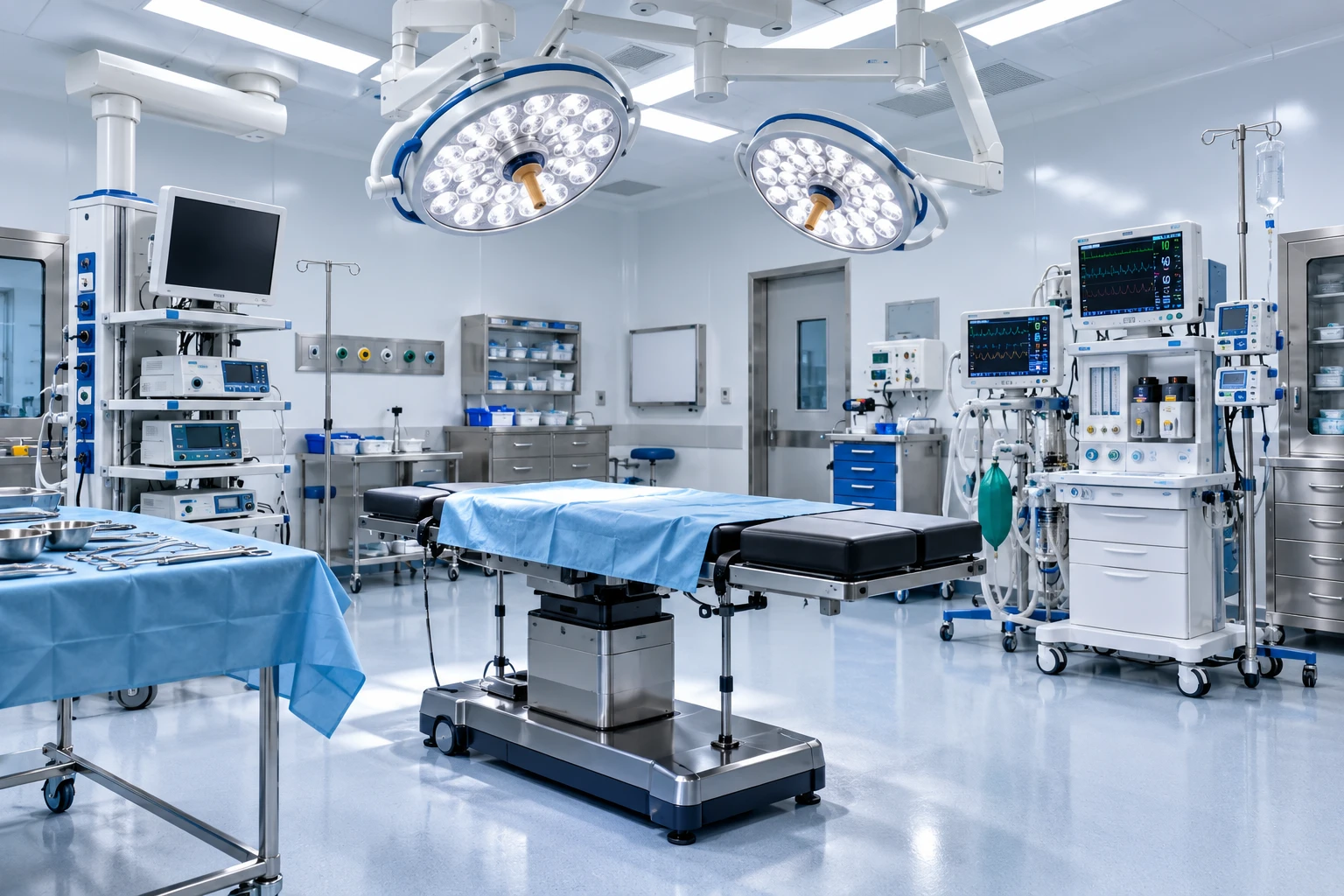
A full operation theatre setup in Kota needs more than a supplier who can deliver an OT table, it needs one who can supply and service the entire interdependent set, table, lights, anaesthesia workstation, electrocautery, suction, and sterilisation equipment, as a coordinated whole rather than a series of separate purchases from whichever vendor happens to answer first. Kota's hospital and nursing home market has grown steadily alongside the wider Hadoti belt, Bundi, Baran and Jhalawar, but its surgical equipment supplier base has not always kept pace with that growth, which means Kota-area facilities planning a new OT or upgrading an existing one need a more deliberate approach to sourcing than simply calling the first dealer in the local business directory. This guide covers exactly what to buy, how the pieces fit together, and what to verify before you commit to a supplier for your operation theatre.
Key Takeaways
- A functioning operation theatre is an interdependent equipment set, not a list of separate purchases, and buying from multiple uncoordinated vendors increases the risk of compatibility and service gaps.
- Kota anchors surgical equipment supply and service for the wider Hadoti belt, Bundi, Baran and Jhalawar, much as Jodhpur does for western Rajasthan.
- CDSCO compliance, installation support and a genuine local service commitment matter more for OT equipment than for almost any other hospital equipment category, given the direct patient-safety stakes.
- Electrocautery, suction and sterilisation equipment are commonly underbudgeted relative to the OT table and lights, despite being used on every single case.
- A phased OT setup, core equipment first, specialty additions later, is often more practical for a Kota-area facility than attempting a complete specialty-ready setup from day one.
Why Operation Theatre Equipment Cannot Be Bought Piecemeal
An operation theatre functions as a connected system. The OT table's positioning range needs to match the procedures your surgeons actually perform, the OT lights need adequate lux output and shadow control for the table's working height, the anaesthesia workstation needs to integrate with your monitoring setup, and sterilisation capacity needs to match your actual case volume and instrument turnover, not an assumed baseline. Buying each category from a different, uncoordinated vendor increases the risk of compatibility gaps, inconsistent service response when something fails, and a fragmented warranty and maintenance picture that becomes genuinely difficult to manage once your OT is operational and every hour of downtime has a real cost attached to it.
The Core Operation Theatre Equipment List
OT table
The foundation of the room, and the component most directly tied to which procedures your surgical team can actually perform. A general surgery table with standard positioning covers most procedures a Kota-area nursing home or mid-sized hospital performs, while specialty procedures, orthopaedic, gynaecological, urological, typically require additional positioning attachments or a more specialised table. Our OT Setup Equipment Checklist covers the full specification range in detail.
OT lights
Shadow-free, adjustable-intensity LED lighting is now the practical standard, replacing older halogen systems that generate more heat and require more frequent bulb replacement. Light positioning and coverage need to be verified against your specific table's working height and typical surgical team size, since a light rated adequate for a smaller team can prove inadequate once a full surgical team and assistants are positioned around the table during an actual procedure.
Anaesthesia workstation
This is both a significant capital cost and a direct patient-safety-critical purchase, and it is one category where buying from a verified, CDSCO-compliant seller with genuine local service backing matters more than almost anywhere else in your OT setup. A workstation failure or a delayed service response during an actual procedure is a risk category your facility should not be exposed to for the sake of a marginally lower upfront price.
Electrocautery and electrosurgical units
Used on nearly every surgical case, this category is commonly underbudgeted relative to the OT table and lights, which tend to dominate a first-time buyer's attention simply because they are more visually prominent in the room. A reliable electrocautery unit with properly maintained grounding and safety interlocks is a genuine patient-safety item, not a minor accessory purchase.
Suction units
Essential for nearly every procedure and frequently the item that fails first when a facility has skipped on quality to save budget elsewhere. A dependable, properly serviced suction unit is inexpensive relative to the rest of your OT setup but disproportionately disruptive when it is not working reliably mid-procedure.
Sterilisation equipment
Autoclaves and sterilisation capacity need to be sized to your actual case volume and instrument turnover rate, not a generic baseline figure. A facility that underestimates this category often finds itself running sterilisation cycles back-to-back during busy periods, which shortens equipment life and creates turnaround bottlenecks between cases that directly limit how many procedures your OT can actually run in a day.
Why Kota's Supplier Market Needs a More Deliberate Approach
Kota is a genuine regional hub for surgical equipment supply and service across the wider Hadoti belt, much as Jodhpur anchors western Rajasthan and Jaipur anchors the eastern districts. This hub role is a genuine advantage for Kota-area facilities, since it supports a more active local dealer presence for service and installation than a smaller, more isolated town would have access to. The gap most first-time buyers in this market underestimate is less about availability and more about verification: a dealer's ability to deliver a product is not the same as a dealer's ability to install, commission and service a full OT equipment set reliably over the years that equipment will actually be in use.
What to Verify Before Committing to a Surgical Equipment Supplier
CDSCO registration is non-negotiable for surgical and anaesthesia equipment specifically, given the direct patient-safety implications of a non-compliant device failing during a procedure. Beyond compliance, verify the supplier's actual installation and commissioning support, since OT equipment generally requires professional installation and calibration before first use, not a simple delivery-and-unbox process. Ask specifically about service response time commitments and spare parts availability for the exact models you are buying, since a theoretically excellent device backed by a slow or unreliable service relationship becomes a practical liability the first time it needs attention.
A Practical Phased Approach to OT Setup
Many Kota-area facilities, particularly smaller nursing homes building their first OT, find a phased approach more practical and financially sustainable than attempting a complete, specialty-ready setup from day one. Core general surgery equipment, table, lights, basic anaesthesia workstation, electrocautery, suction and sterilisation, covers the majority of procedures most mid-sized facilities actually need to perform in their first year or two of operation. Specialty additions, orthopaedic positioning attachments, advanced laparoscopic equipment, specific imaging integration, can follow once the facility's actual case mix and surgical service lines become clearer in practice, rather than guessed at during initial setup when demand patterns are still uncertain.
Comparing Supplier Types for Kota-Area Facilities
| Supplier type | Strength | Watch for |
|---|---|---|
| Verified regional dealer with Kota presence | Local installation and service support, faster response time | Confirm CDSCO compliance and actual stocked brands, not just catalogue listings |
| National B2B marketplace | Wider catalogue breadth and competitive pricing | Service response time for a facility outside the metro markets the platform primarily serves |
| Direct manufacturer relationship | Potentially stronger pricing and direct support for high-value items | Longer lead times and less flexibility for smaller or urgent orders |
| Local distributor with long-standing relationship | Established trust and service history | Limited visibility into whether pricing is genuinely competitive against the wider market |
Budgeting Realistically: What a First-Time OT Buyer Misses
Civil work, electrical infrastructure and HVAC for the OT room itself often cost more than the equipment, a detail first-time buyers underestimate when they focus budget planning primarily on device price lists. Beyond the initial capital purchase, annual maintenance contracts, consumable accessories for electrocautery and suction specifically, and staff training on new equipment are recurring costs that compound over the equipment's working life and deserve a place in your first-year budget, not an assumption that they will simply be absorbed informally once the OT is running.
Staffing Readiness Alongside Equipment
A surgical team's familiarity with new equipment directly affects how safely and efficiently an OT actually functions once installed, and this is a planning dimension that is easy to treat as secondary to the equipment purchase itself. Scheduling supplier-provided training sessions at installation, rather than assuming staff will simply figure out a new anaesthesia workstation or electrocautery unit through trial and error during live procedures, is a small additional step that meaningfully reduces early operational risk.
New vs Refurbished Surgical Equipment: A Category-by-Category Decision
Some Kota-area facilities working within a tighter opening or expansion budget consider refurbished equipment for parts of their OT setup, and this is a reasonable approach for some categories and a poor one for others. An OT table or basic lighting system with proper certification and a working warranty from a reputable refurbisher can be a sound budget decision. Equipment with the most direct patient-safety implications, anaesthesia workstations and electrocautery units specifically, deserves more caution, since an undetected fault in either category carries consequences more severe than the savings typically justify once service risk is properly factored in. If a mixed new-and-refurbished approach is part of your plan, decide it category by category rather than as a blanket policy, and insist on CDSCO compliance and warranty documentation regardless of which option you choose for a given category.
How Case Volume Should Shape Your Equipment Specification
A facility planning two or three procedures a week has genuinely different equipment needs than one planning daily surgical lists, and this difference should shape your specification decisions rather than being an afterthought once equipment is already purchased. Lower case volume generally means a longer equipment lifespan relative to purchase cost, which can justify stretching budget toward a slightly higher specification tier that will serve the facility for longer before needing replacement or upgrade. Higher case volume shifts the calculation toward build quality and service reliability over additional features, since equipment under heavier daily use is where service response time and parts availability matter most acutely, and where a cheaper unit's weaknesses tend to surface soonest.
Frequently Asked Questions
What is the single most commonly underbudgeted OT equipment category?
Electrocautery and suction units are consistently underbudgeted relative to the OT table and lights, despite being used on virtually every case and being disproportionately disruptive when they fail mid-procedure.
Is it better to buy all OT equipment from one supplier?
A coordinated purchase, whether from a single supplier or a small number of closely coordinated ones, generally reduces compatibility and service-gap risk compared to sourcing each category independently from unrelated vendors with no coordination between them.
Does Kota have a genuine local supplier base for surgical equipment?
Yes, Kota functions as a regional hub for the wider Hadoti belt, supporting a more active local dealer and service presence than a smaller, more isolated town typically has access to, though verification of individual suppliers remains essential.
Should a smaller nursing home attempt a full specialty-ready OT setup immediately?
Not necessarily. A phased approach, core general surgery equipment first, specialty additions once actual case mix and demand become clearer, is often more practical and financially sustainable for a first-time or smaller facility.
What compliance check matters most for surgical and anaesthesia equipment specifically?
CDSCO registration is non-negotiable for this category given the direct patient-safety implications, and it should be verified for the specific models being purchased, not assumed from a supplier's general claim of compliance.
How does OT equipment service differ from other hospital equipment categories?
OT equipment generally requires professional installation and calibration, not simple delivery, and service response time matters disproportionately given that a failure during an active procedure carries immediate patient-safety consequences.
Plan your OT equipment list with a verified, Kota-area-serviced supplier. Register on HOSPkart to compare sellers across every surgical equipment category.

Author
Devendra Sharma
Related posts


15-4-2026
Top 20 Lab Equipment for Diagnostic Labs