 Medical Equipment
 Hospital Furniture
 Medical Disposables
 Rehabilitation
 Diagnostic & Labware
 Eyes & ENT
 Critical Care Equipment
 Urology
 Aesthetic & Dermatology Equipment
 Gastroenterology
 OT Equipment

By Devendra Sharma On 13-10-2026 at 4:01 pm
RGHS and MAA Yojana Empanelment: Equipment to Plan Before You Apply
RGHS and MAA Yojana are two separate Rajasthan health schemes serving entirely different populations, and confusing the two is the first mistake many hospitals make before they even reach the equipment planning stage. RGHS (Rajasthan Government Health Scheme) covers only state government employees, pensioners, sitting and former MLAs, and judges. MAA Yojana (Mukhyamantri Ayushman Arogya Yojana, formerly Chiranjeevi Yojana) is the much larger general-public scheme, offering up to ₹25 lakh in annual family coverage across more than 2,179 medical packages. Both tie empanelment to specific treatment packages with their own equipment and infrastructure expectations, and getting those expectations right before you apply, not after, is what determines whether your empanelment moves smoothly or stalls for months.
Key Takeaways
- RGHS serves Rajasthan state government employees, pensioners, MLAs and judges specifically, with package rates tiered by NABL and NABH accreditation status, not the general public.
- MAA Yojana, formerly Chiranjeevi Yojana, is the broad public scheme offering up to ₹25 lakh in annual family coverage across more than 2,179 medical packages, free for several eligibility categories and available to others for a modest annual fee.
- Both schemes tie empanelment to specific treatment packages, each with its own equipment and infrastructure expectations, not a general hospital licence covering everything at once.
- Equipment that falls short during an empanelment inspection is one of the most common reasons applications are delayed, not rejected outright, but pushed back by months while a hospital scrambles to procure under time pressure.
- Once empanelled, package rates are fixed per procedure, which means procurement cost becomes one of the only levers left to protect your margin on every case billed under that package.
RGHS and MAA Yojana Are Not the Same Scheme: Why the Distinction Matters
RGHS, the Rajasthan Government Health Scheme, is exclusively for Rajasthan state government employees and pensioners, along with sitting and former members of the state legislative assembly and judges. It is not open to the general public, and a hospital targeting general-public patients should not plan its empanelment strategy around RGHS alone. RGHS packages are structured with pricing tiers that distinguish NABL-accredited diagnostic facilities from non-NABL ones, and NABH-accredited hospitals from non-NABH ones, which means your facility's accreditation status directly affects which rate tier applies to your claims, a detail many first-time applicants do not fully account for when estimating expected revenue per package.
MAA Yojana, the Mukhyamantri Ayushman Arogya Yojana, was formerly known as the Chiranjeevi Yojana before being renamed and expanded, and it is Rajasthan's flagship general-public health scheme. It offers up to ₹25 lakh in annual family coverage, split between ₹5 lakh under an insurance mode and ₹20 lakh under a trust mode, and covers more than 2,179 medical packages and procedures. Several categories, including NFSA and SECC-listed households, small and marginal farmers, contractual government workers, economically weaker section families, and senior citizens aged 70 and above, receive free enrolment. Other Rajasthan residents can enrol for a modest annual fee, with the state subsidising the remainder of the premium. Since December 2025, MAA Yojana beneficiaries can also access care through PM-JAY's national portability feature across more than 30,000 empanelled hospitals outside Rajasthan, which is a significant expansion worth being aware of if your facility serves a mobile or migrant patient population.
Because requirements, package lists and coverage details for both schemes can change, always verify the current empanelment criteria directly through the official RGHS portal, the MAA Yojana scheme website, or your district health authority before finalising your equipment plan around assumptions, especially given how recently MAA Yojana's national portability expansion took effect.
Why Equipment Planning Cannot Wait Until the Application Stage
Empanelment inspections for both schemes generally verify that equipment tied to your applied-for packages is actually installed and functional at the time of inspection, not promised for a future date. A hospital that applies before confirming it has every required piece of equipment in place typically faces one of two outcomes: a delayed approval while equipment is procured under time pressure, often at a worse price than if it had been planned and compared properly in advance, or a scaled-back package list that leaves capacity sitting unused while the hospital waits to add packages it originally intended to offer from day one. Planning equipment procurement alongside, not after, your package selection avoids both outcomes, and gives you the room to compare suppliers rather than accepting whatever quote arrives fastest under deadline pressure.
A Practical Planning Sequence
- Decide which packages you realistically want to offer first, rather than applying for the broadest possible list immediately across both schemes, which spreads your equipment and staffing readiness thin across more categories than you can properly support at launch.
- Map each package to its specific equipment and infrastructure requirements, verified against the current official criteria for the specific scheme, RGHS or MAA Yojana, not a previous year's list or an assumption that one scheme's requirements automatically apply to the other.
- Order and install equipment with enough lead time before your planned inspection date, accounting for delivery and any installation or commissioning period, particularly for equipment categories with longer lead times like OT tables or ICU monitors.
- Keep documentation ready, invoices, CDSCO registration details and service contracts are often requested alongside the physical inspection, and having these organised in advance avoids a scramble during the inspection process itself.
- Confirm your accreditation status implications for RGHS specifically, since NABL and NABH accreditation directly affect your package rate tier under that scheme, which is a financial planning detail worth understanding before you commit significant equipment investment against expected RGHS revenue.
Equipment Categories Most Often Tied to Empanelment Packages
- General surgery and OT packages: OT tables, lights, sterilisation equipment and recovery area monitoring. Our OT Setup Equipment Checklist covers this department in full.
- Critical care and higher-acuity packages: ICU beds, ventilators, patient monitors and defibrillators. Our ICU Setup Equipment Checklist is the right starting point for this category.
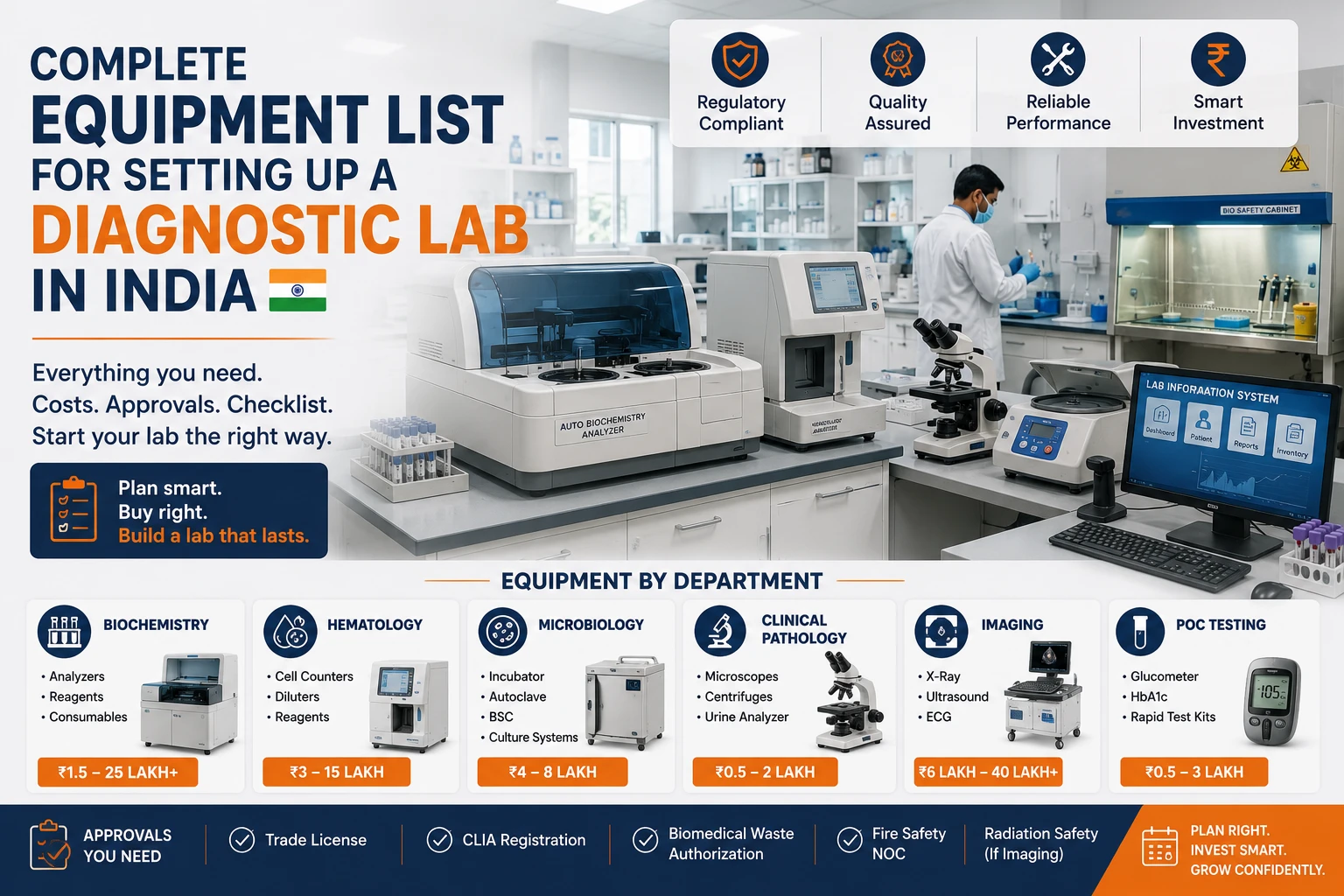
- Diagnostic and pathology-linked packages: lab equipment appropriate to the specific tests covered, which also ties directly into your NABL accreditation status for RGHS rate purposes. Our Diagnostic Lab Equipment List covers this directly.
- Maternity and obstetric packages: labour room and newborn care equipment, a significant category under MAA Yojana given the scheme's broad general-public reach. Our Labour Room Equipment List covers this specifically.
Why Procurement Cost Matters More Once You Are Empanelled
This is the part most new applicants do not plan for: once a package rate is fixed by either scheme, your procurement cost on both equipment and ongoing consumables becomes one of the only levers left to protect your margin on every procedure billed under that package. A hospital that buys well, comparing verified sellers rather than accepting the first quote, keeps more of every package payment, and this effect compounds across hundreds or thousands of procedures over the life of your empanelment. Our sister platform, H.O.P.E., covers this specifically for the recurring consumables side in its guide on RGHS and MAA Yojana package rates and procurement margin, which is worth reading alongside your equipment planning, not only after empanelment is approved and the margin pressure is already a live operational problem.
Accreditation and Rate Tiers: A Detail Worth Understanding Early
For RGHS specifically, the NABL and NABH accreditation-tiered pricing structure means two hospitals offering the exact same package can be reimbursed at different rates depending on their accreditation status. This is worth factoring into your long-term planning even if you are not pursuing accreditation immediately, since the revenue difference between accredited and non-accredited rates for a high-volume package can be substantial over time, and accreditation itself takes significant lead time to pursue. A hospital planning its empanelment strategy purely around immediate equipment and staffing readiness, without factoring in this accreditation timeline, may find itself revisiting the decision sooner than expected once the rate difference becomes clear in practice.
Common Mistakes Hospitals Make When Applying for Either Scheme
A few patterns show up repeatedly among hospitals navigating RGHS or MAA Yojana empanelment for the first time. Assuming the two schemes share a single application process or equipment checklist is the most common, and it typically surfaces only once an application is already under review and the hospital discovers the specific scheme's requirements differ from what it prepared for. Underestimating the lead time needed for higher-cost equipment categories, ICU monitors, OT tables, imaging equipment, is another, since hospitals often begin equipment procurement only after submitting their application rather than running the two processes in parallel. And treating accreditation as a decision entirely separate from empanelment strategy, rather than a factor that directly affects RGHS revenue per package, is a third mistake that tends to become expensive only in hindsight, once a hospital realises how much accreditation status affects its actual reimbursement over time.
Keeping Documentation Current After Initial Empanelment
Empanelment is not necessarily a one-time event. Both schemes can require periodic verification or renewal, and infrastructure or equipment changes at your facility, adding a new department, replacing ageing equipment, should be reflected in your records with the relevant scheme authority rather than assumed to carry over automatically. Hospitals that treat empanelment documentation as a living record, updated as their actual equipment and service offering evolves, tend to avoid the compliance gaps that can otherwise surface during a renewal review or audit, which several Rajasthan hospitals have faced in recent years when documentation fell out of step with actual facility changes.
Frequently Asked Questions
Do RGHS and MAA Yojana have the same equipment requirements?
No, they are separate schemes serving different populations with their own package structures and criteria, which can overlap in intent for similar medical procedures but should never be assumed identical. Verify the current requirements for each scheme directly rather than applying one scheme's checklist to the other.
Can I apply for empanelment before all my equipment is installed?
Generally, you should expect to demonstrate the equipment tied to your applied-for packages is already functional at the time of inspection, not planned for a future date. Confirm the current process with the relevant authority, since timelines and expectations can be scheme-specific and may change.
Does equipment quality affect my package rate?
Package rates are generally fixed per procedure under each scheme, not tied to the specific equipment brand or quality you use, provided it meets the required specification and compliance standard. Under RGHS specifically, your accreditation status, not your equipment brand, is what affects your rate tier. This is exactly why procurement cost, not package pricing, is where your margin is actually protected.
Should I apply for every available package at once?
Not necessarily. Applying for a focused set of packages your hospital can genuinely support with equipment and staffing in place often leads to a smoother approval than a broad application that risks delays on packages you are not fully ready for, across either scheme.
Who is actually eligible for RGHS, and who should look at MAA Yojana instead?
RGHS covers Rajasthan state government employees, pensioners, MLAs and judges specifically. A hospital aiming to serve the general public through a government scheme should focus its empanelment strategy on MAA Yojana, which has a far larger eligible population and its own separate package and equipment requirements.
Has MAA Yojana coverage changed recently?
Yes, since December 2025, MAA Yojana beneficiaries gained access to care through PM-JAY's national portability feature across more than 30,000 empanelled hospitals outside Rajasthan, a meaningful expansion worth factoring into planning if your facility serves patients who travel outside the state.
Plan your empanelment equipment list with verified sellers. Register on HOSPkart to compare rates across every department before your application.

Author
Devendra Sharma
Related posts



15-4-2026
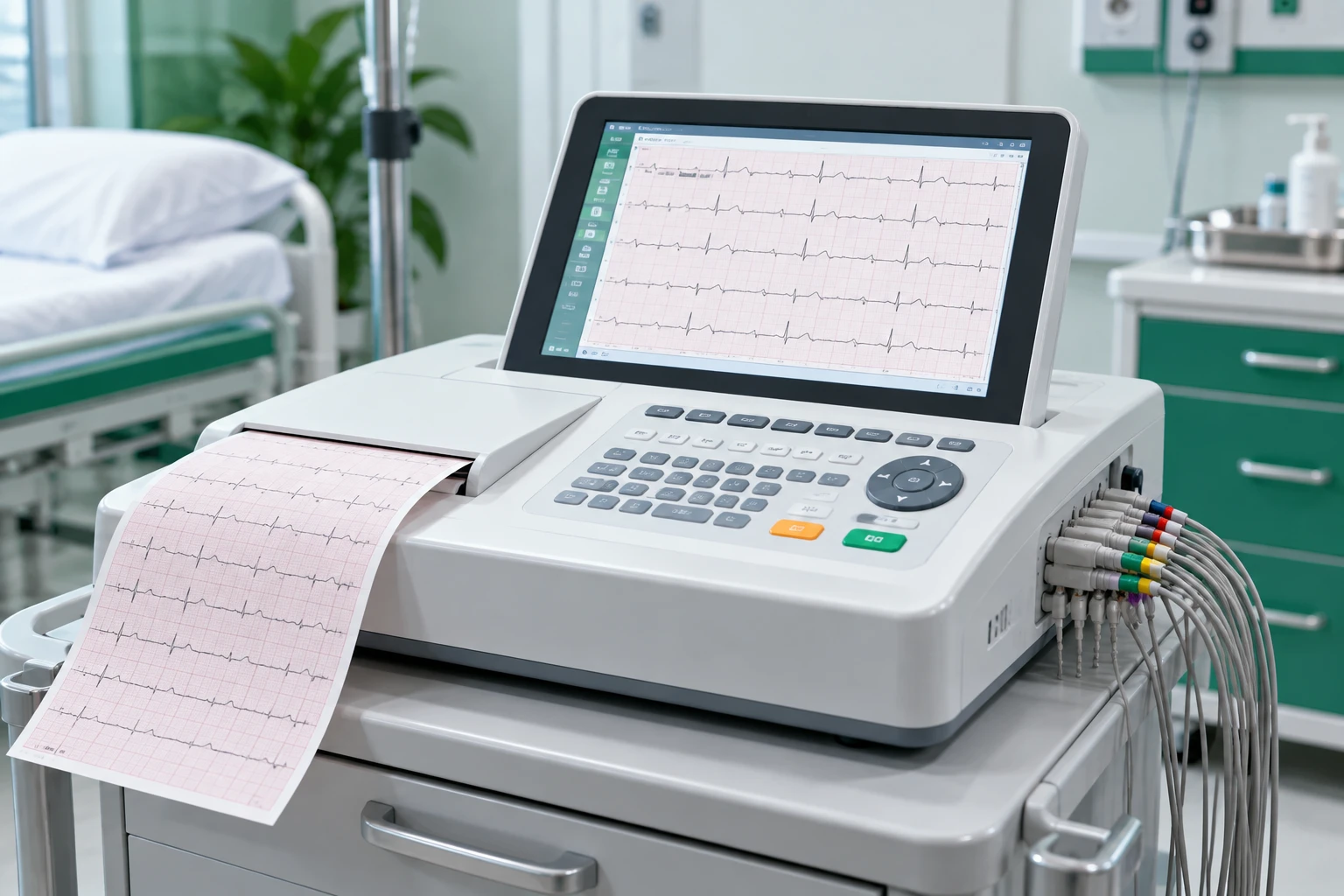
Top 20 Lab Equipment for Diagnostic Labs